Joy vs Passion Fruit
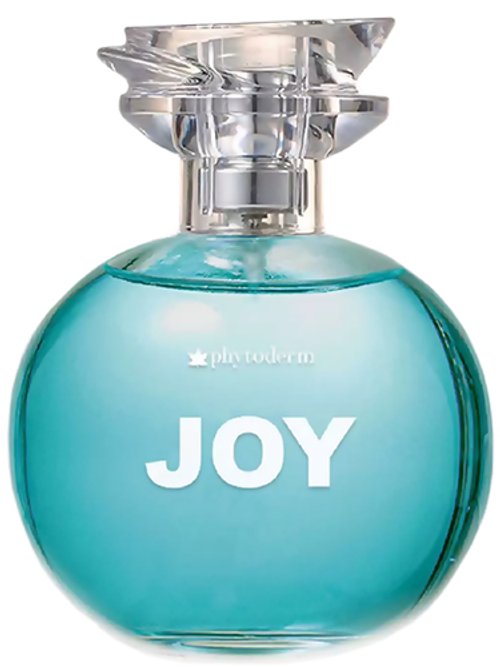
Joy
Phytoderm
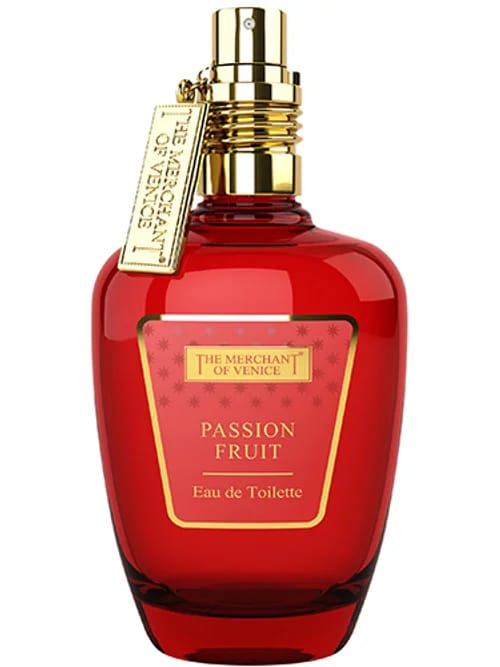
Passion Fruit
The Merchant Of Venice
Scores
Joy
Community —Critic —
Passion Fruit
Community 7.3Critic —
In common
AccordsFloralFruity
Where they differ
Only in Joy
Only in Passion Fruit
The verdictAI
Shared character
Both fragrances share a core of cedarwood, vanilla, caramel, lotus and green apple, and they sit within the floral and fruity accord families. This gives each a sweet‑fruit‑floral character at the top‑middle level, anchored by a warm, slightly woody base.
How they differ
Joy adds a suite of classic florals – jasmine, lily‑of‑the‑valley, violet – and extra fruit notes of melon, pear and additional green apple, while Passion Fruit brings a broader citrus‑spicy side with bergamot (including Sicilian), orange and blackcurrant leaf, plus warm woods (sandalwood) and musk, and a sweet accord that Joy lacks. Passion Fruit also includes unique gourmand‑type notes such as tonka bean and caramel‑rich vanilla, whereas Joy’s base is limited to vanilla and caramel. In terms of community reception, Passion Fruit has a recorded score of 7.3; Joy has no published community or critic scores.
Who each suits
Joy’s emphasis on soft florals (jasmine, lily‑of‑the‑valley, violet) and gentle fruit (melon, pear) makes it suited to wearers who prefer a delicate, romantic scent profile—ideal for daytime, spring‑summer occasions and for those who enjoy classic, feminine bouquets. Passion Fruit’s bright citrus notes (bergamot, orange), aromatic green notes (blackcurrant leaf, hawthorn) and richer woody‑sweet base (sandalwood, tonka bean, musk) cater to people who like a more vibrant, energetic fragrance with a sweet‑but‑spicy edge—well‑suited for lively daytime or evening settings and for those who favor modern, fruit‑forward compositions.