Figfever vs Sagamore
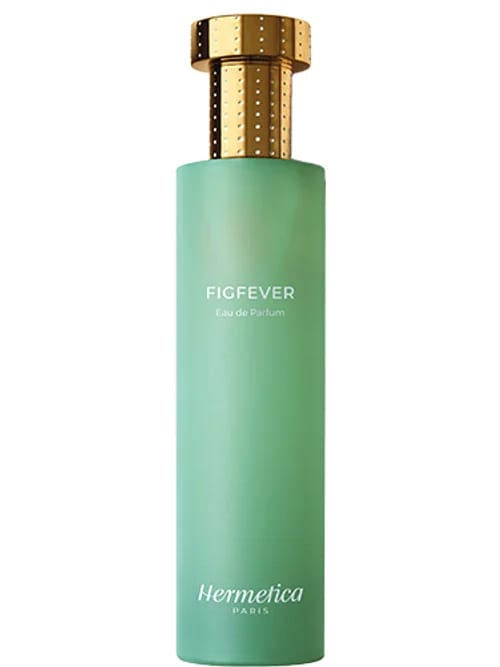
Figfever
Hermetica
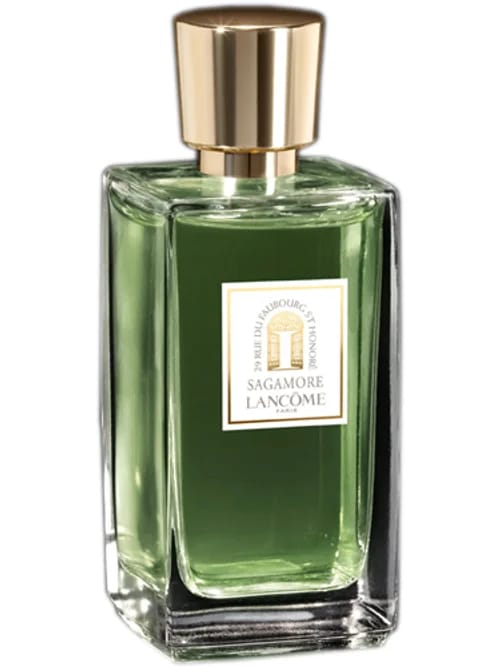
Sagamore
Lancôme
Scores
Figfever
Community 6.1Critic —
Sagamore
Community 9.7Critic —
In common
Where they differ
Only in Figfever
The verdictAI
Shared character
Both fragrances feature the same ten individual notes—jasmine, rose, bergamot, vetiver, cardamom, patchouli, clary sage, cinnamon, lily‑of‑the‑valley and moss—and are built around woody and spicy accords. This common core gives each a floral‑woody‑spice character despite their later divergences.
How they differ
Figfever and Sagamore share a core palette of jasmine, rose, bergamot, vetiver, cardamom, patchouli, clary sage, cinnamon, lily‑of‑the‑valley and moss, giving both a woody‑spicy backbone. Their divergences are clear: - Figfever adds iris/orris, mandarin, tonka bean, plum, apple, myrrh, blackcurrant, mandarin orange and fig leaf, and leans into green, fruity and creamy accords. - Sagamore introduces lemon, sandalwood, geranium, vanilla, musk, oakmoss, benzoin, amber, ginger, lavender and clove, and brings aquatic, fresh and powdery accords. - Family‑level classification is not shared (both list “none”). - Community reception differs markedly: Figfever holds a 6.1 average, while Sagamore scores 9.7.
Who each suits
Figfever is likely to appeal to wearers who enjoy green, fruity and creamy dimensions, such as those drawn to iris/orris, mandarin, plum, apple, blackcurrant and fig leaf, and who prefer a softer, fruit‑forward interpretation of a woody‑spicy base. Sagamore suits individuals who favor fresher, more aquatic or powdery sensibilities, appreciating citrus (lemon), aromatic herbs (geranium, lavender, clove, ginger), warm vanilla‑amber‑musk tones and the depth of sandalwood, oakmoss and benzoin.
Explore each fragrance
Similar fragrances

More comparisons
More Figfever comparisons