Rose vs Mandragola
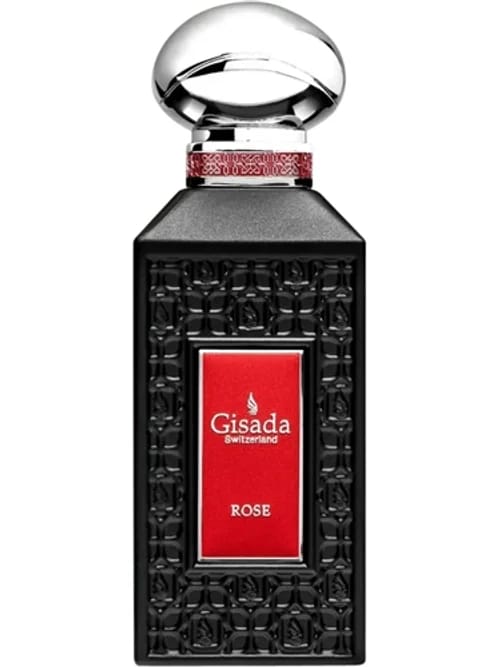
Rose
Gisada
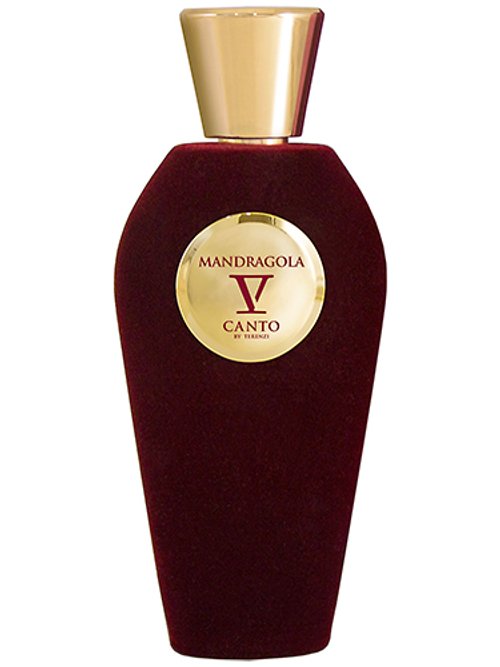
Mandragola
V Canto
Scores
Rose
Community 6.7Critic —
Mandragola
Community 7.6Critic —
In common
Where they differ
Only in Rose
The verdictAI
Shared character
Both fragrances feature the same six notes—jasmine, vanilla, musk, lime, Bulgarian rose and oud—and are built on floral, woody, sweet and oriental accords. No fragrance family is listed as shared.
How they differ
Rose and Mandragola share a core palette of jasmine, vanilla, musk, lime, Bulgarian rose and oud, all framed by floral, woody, sweet and oriental accords. Their divergences are clear: Rose adds lemon, cedarwood, patchouli, additional woody notes, styrax and a synthetic accord, giving it a richer, sweeter, and more overtly rose‑centric character. Mandragola introduces bergamot, sandalwood, vetiver, amber, saffron, petitgrain, gaiac wood and absinth, and carries a distinct spicy accord, steering it toward a fresher, spicier‑woody profile. Community scores also differ, with Rose at 6.7 versus Mandragola’s 7.6, indicating a higher overall reception for Mandragola.
Who each suits
Rose’s blend of lemon, cedar, patchouli, styrax and a synthetic sweet accord makes it suited to wearers who favor classic, sweet‑rich rose and oriental compositions, often preferred for evening or special‑occasion settings. Mandragola’s inclusion of bergamot, sandalwood, vetiver, amber, saffron, petitgrain, gaiac wood and an explicit spicy accord appeals to those who enjoy fresher, spicier‑woody scents with a bright citrus opening, making it a good match for daytime or transitional wear and for fans of more complex, aromatic profiles.