Etro

Yves Saint Laurent
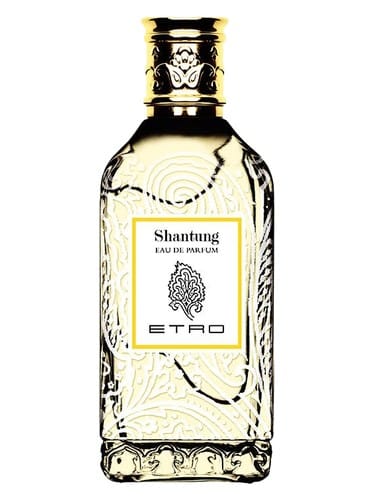
Shantung
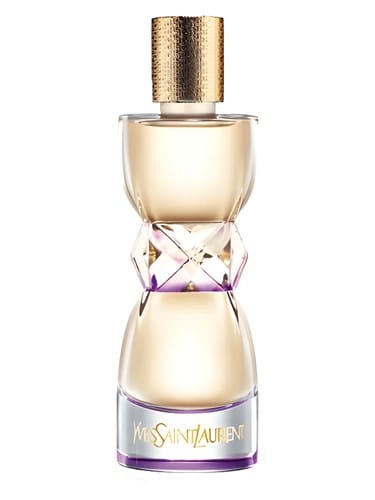
Manifesto L'Eclat
Only in Shantung
Shared character
Both fragrances are built around a floral‑amber (oriental) foundation, featuring rose, cashmeran (woody‑musky), blackcurrant bud and cashmere. They each carry prominent floral and fruity accords, positioning them firmly in the floral family with an ambery, oriental edge.
How they differ
Shantung leans toward a woody‑spicy‑fresh profile. Its unique ingredients include cedarwood, musk, incense/olibanum, peony, lychee, tangerine, blackcurrant, Somalian frankincense and Italian mandarin orange, giving it a brighter, more resinous and aromatic character. Manifesto L’Eclat, by contrast, emphasizes gourmand‑sweet‑powdery facets. It adds jasmine, bergamot, orange blossom, sandalwood, vanilla, neroli, freesia, tonka bean and green tea, creating a softer, sweeter, and more powder‑laden impression. Both share rose, cashmeran, blackcurrant bud and cashmere, and sit in the floral‑amber (oriental) family with floral and fruity accords, but Shantung scores 7.2 in the community while Manifesto L’Eclat scores slightly higher at 7.7.
Who each suits
Shantung will likely appeal to wearers who favor a more aromatic, resin‑rich scent with woody and spicy nuances—people who enjoy incense, citrus zest and a fresh‑spicy lift in an oriental base. Manifesto L’Eclat suits those who prefer a sweeter, gourmand‑leaning experience, with vanilla, tonka bean and green‑tea softness, making it attractive to wearers who like powdery, sweet‑floral compositions for everyday or romantic settings.
Only in Manifesto L'Eclat