Sapphire vs Ruby
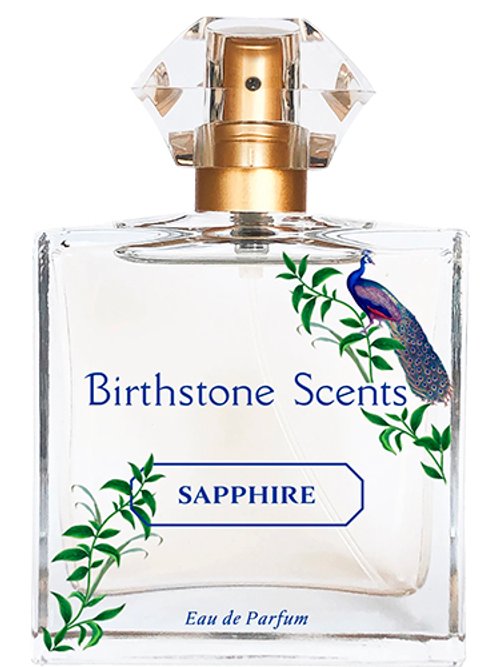
Sapphire
Birthstone Scents
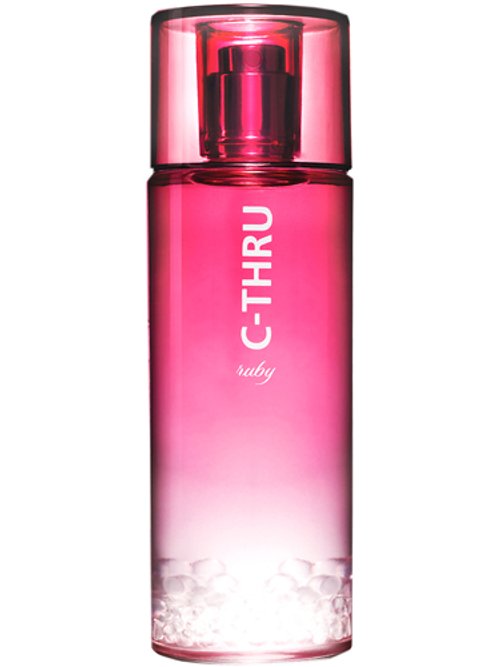
Ruby
C-Thru
Scores
Sapphire
Community —Critic —
Ruby
Community —Critic —
In common
Where they differ
The verdictAI
Shared character
Both Sapphire and Ruby contain the same two top‑note ingredients—freesia and melon—and they are both described with the floral and ambery (oriental) accords.
How they differ
Sapphire is built around a limited palette of freesia, melon and a single earthy note, patchouli. Ruby, by contrast, layers freesia and melon with a broader set of ingredients—including rose, bergamot, cedarwood, sandalwood, vanilla, peach, raspberry and lotus—creating a richer, more multi‑dimensional scent profile. Both share the floral and ambery (oriental) accords, but Ruby adds no unique accords beyond those shared, while Sapphire adds no unique accords either. Neither fragrance is assigned to a specific family in the data, so family classification does not differentiate them.
Who each suits
Sapphire’s combination of freesia, melon and patchouli may appeal to wearers who prefer a cleaner, greener, slightly earthy oriental scent, often suited to cooler weather or understated evening occasions. Ruby’s expanded bouquet—including rose, bergamot, woody notes (cedarwood, sandalwood), sweet elements (vanilla, peach, raspberry) and lotus—offers a more opulent, sweet‑floral‑woody character, likely to suit those who enjoy richer, more expressive fragrances for daytime or romantic settings.