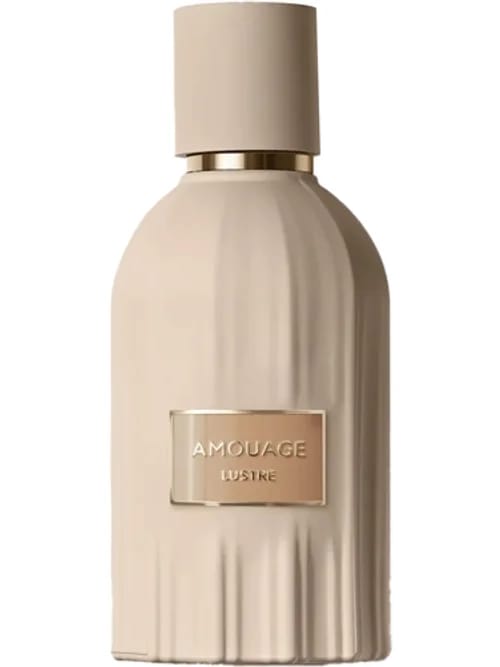
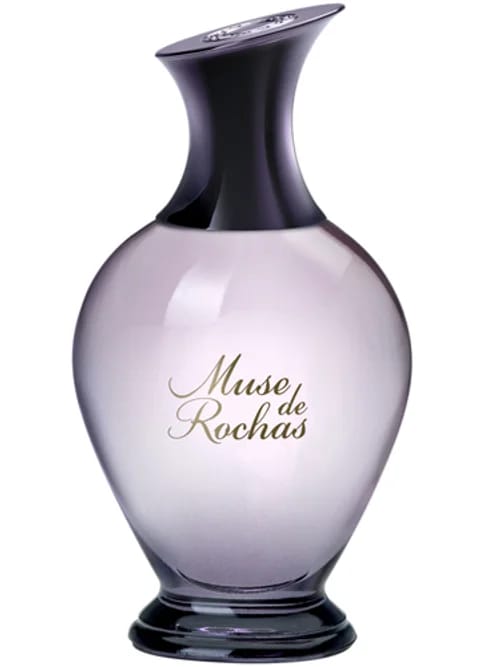
Amouage

Rochas
Lustre
Muse De
Shared character
Both fragrances contain the same core base notes of sandalwood, vanilla, styrax and ambrarome, giving each a warm, slightly sweet foundation.
How they differ
Lustre and Muse De share four base notes – sandalwood, vanilla, styrax and ambrarome – but otherwise diverge completely. Lustre adds a rich, woody‑resinous palette of cedarwood, ciste labdanum, iris/orris, benzoin, cardamom, patchouli, cypriol (nagarmotha), tonka bean and myrrh, with no unique accords listed. Muse De, by contrast, leans toward a bright, gourmand‑floral character, introducing top‑light citrus (bergamot, orange, blood orange), sweet fruit (peach, mango, banana leaf), floral (orange blossom, narcissus), spice (cinnamon, cinnamon leaf), musk and a suite of accords described as floral, fruity, sweet, powdery and synthetic. No family classification is provided for either scent. Community scoring is available only for Muse De (7.1); Lustre has no reported scores.
Who each suits
• Lustre – the extensive woody, resinous and aromatic ingredients (cedar, labdanum, iris, benzoin, patchouli, cypriol, tonka, myrrh) suggest it would appeal to wearers who favor deep, earthy, oriental‑type scents and who prefer a more classic, less overtly sweet profile. • Muse De – the prominent citrus, fruit, floral and sweet accords (bergamot, orange, peach, mango, banana leaf, orange blossom, narcissus, cinnamon, musk) indicate it is suited to those who enjoy bright, playful, gourmand‑floral fragrances, especially in daytime or casual settings.
Only in Muse De